

Forest of Dean Sculpture Trail: A Photographer's Perspective on the Forest of Dean

The Forest of Dean Sculpture Trail is one of the most distinctive walks in the Forest of Dean, combining contemporary art with ancient woodland in a way that's unlike anywhere else in the UK. Rather than simply placing sculptures beside a path, the trail has been carefully designed so that each artwork becomes part of the landscape, encouraging visitors to slow down and experience the forest from a different perspective.
Whether you're visiting for a family walk, an interest in art, the surrounding wildlife or simply to enjoy one of the Forest's most beautiful woodlands, there's something here for everyone. Having photographed the trail in every season over the years, I've come to appreciate not only the sculptures themselves, but the way they change with each visit.
In this guide, I'll share the history behind the Sculpture Trail, explain why it's become one of the Forest of Dean's most loved attractions, offer practical advice to help you plan your visit, and show you a few nearby places that are well worth exploring while you're here.

If you want to explore the area, why not visit my portfolio of Forest of Dean & Wye Valley photography at:
Forest of Dean Sculpture Trail at a glance
Location: Beechenhurst, Forest of Dean
Length of Trail: Approximately 4.8 miles (7.7km) for full trail
Walking Time: 3-4 hours for full trail
Number of Sculptures: Currently 18 permanent sculptures
Established: 1986
Best Time to Visit: Any time, genuinely
Whether you're planning your first visit, wondering what the fuss is about or hoping to capture the woodlands through your camera, this guide will help you make the most of one of the Forest of Dean's most popular locations.
Why Visit the Forest of Dean Sculpture Trail?
At first glance, the Forest of Dean Sculpture Trail might sound like a woodland walk dotted with sculptures. In reality, it's something much more thoughtful. Rather than creating a traditional sculpture park, the trail has been designed to encourage visitors to experience the forest differently, slowing down as they walk and discovering artworks that feel as though they belong within the landscape.
Each sculpture has been carefully created to reflect the character of the Forest of Dean. Many use locally sourced materials and draw inspiration from the area's natural beauty, industrial heritage and the communities that have shaped this remarkable woodland over centuries. Rather than competing with the forest for attention, the artworks become part of it.

One of the things I enjoy most about the Sculpture Trail is that it never feels overcrowded with art. There are long stretches where you're simply enjoying a peaceful woodland walk before another sculpture quietly reveals itself. That balance makes it appealing whether you're visiting with children, looking for an enjoyable walk in nature, or simply wanting somewhere to slow down for a few hours.
The trail is rewarding throughout the year. As the woodland changes with the seasons, so too does the experience of the sculptures, making every visit feel different. Some artworks even evolve over time, such as David Cotterrell's ‘Hill33’, which was designed to slowly collapse and get taken over by nature. Even after countless visits over the years, I still find myself noticing something different. The Forest of Dean Sculpture Trail isn't somewhere you simply tick off a list. It's a place that encourages you to return, discovering something new with every visit as both the forest and the artworks continue to evolve together.

The History Behind the Trail
Long before visitors came here to discover hidden artworks, this part of the Forest of Dean was for centuries heavily involved forestry and industry. Beechenhurst itself was once the site of Speech House Hill Colliery, a deep coal mine that operated throughout the 19th century. The colliery produced tens of thousands of tons of coal before most of its surface workings closed in 1906. The site was later transformed into a picnic area by the Forestry Commission during the 1960s, eventually becoming the starting point for the Forest of Dean Sculpture Trail.

The Forest of Dean Sculpture Trail itself opened in 1986 and was one of the first projects of its kind in Britain. It grew from a vision shared by Forestry Commission officer Martin Orrom and Jeremy Rees, founding director of Bristol's Arnolfini Gallery, who wanted to create artworks that belonged to the landscape rather than simply being placed within it. Inspired by the land art movement of the 1960s and 70s, artists were invited to explore the Forest of Dean and create works inspired by its geology, wildlife, industrial heritage and unique atmosphere.
From the beginning, the forest itself was intended to be the main attraction, with the sculptures acting as subtle discoveries along the way rather than dominating the landscape. Rather than treating the woodland as an outdoor gallery, the artworks were designed to become part of the environment itself, encouraging visitors to look more closely at the landscape around them. Many of the earliest works were created using timber from the Forest, while later commissions introduced local stone, coal and iron, further reflecting the area's rich industrial heritage.
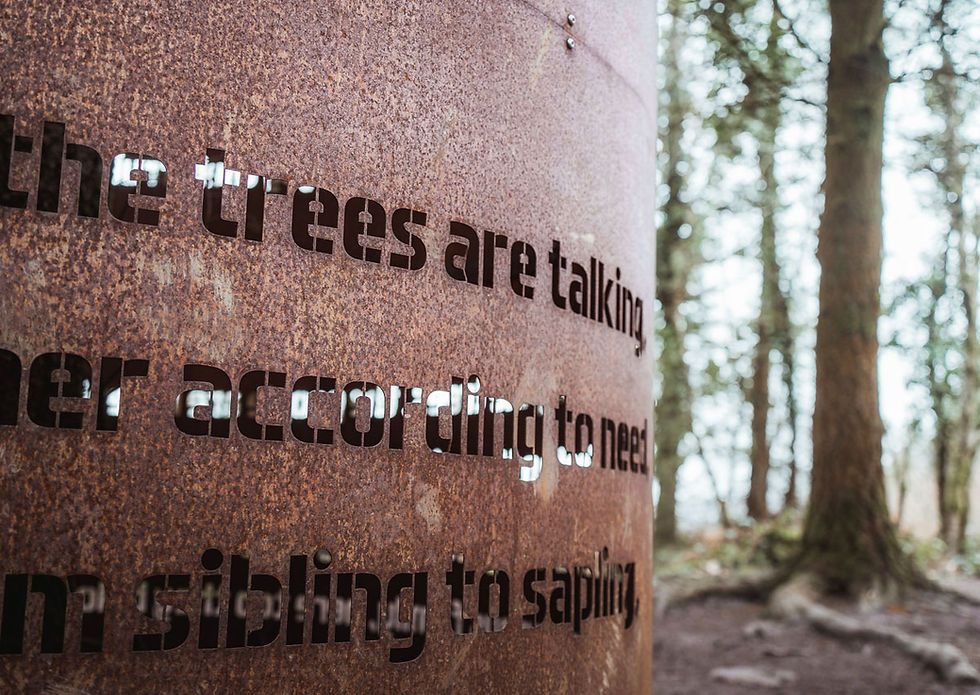
Unlike a traditional sculpture park, the Forest of Dean Sculpture Trail has never been static. Some sculptures have been deliberately temporary, while others have gradually weathered, decayed or been replaced as the woodland changes around them. This ever-evolving relationship between art and nature means no two visits are quite the same, and forty years after it first opened, the trail continues to grow with new commissions inspired by the Forest and its changing landscape.
Knowing this history has certainly changed the way I experience the trail. What first appears to be a collection of sculptures hidden amongst the trees is a celebration of the Forest of Dean's landscape, industry and character, making each artwork feel intrinsically connected to the place.
Photography at the Forest of Dean Sculpture Trail

Photographing woodlands can be surprisingly challenging. With countless branches, leaves and textures competing for attention, it's often difficult to simplify a scene and draw the viewer's eye to a clear subject. The wonderful thing about the Forest of Dean Sculpture Trail is that much of that work has already been done for you. The sculptures become the focal point, while the surrounding forest provides the perfect stage on which to tell their story.

What makes the Forest of Dean Sculpture Trail so rewarding to photograph is that it never looks the same twice. As the seasons, weather and light change, so too does the relationship between each sculpture and its surroundings. Whether it's the fresh greens of spring, the rich colours of autumn, a crisp winter morning or even a clear night beneath a full moon, every visit offers something different.
One approach I've always tried to follow is to take a photograph about a subject rather than simply of it. It's tempting to fill the frame with the sculpture itself, but that often misses the point. These artworks were created to exist within the landscape, so I like to step back, give them room to breathe and show the environment that gives them their character. Sometimes the trees tell just as much of the story as the sculpture does.

The sculptures also reward patience. Spend a little time walking around each one before reaching for your camera, as many change dramatically depending on your viewpoint. Cathedral, for example, was designed to interact with the light, while Iron Road becomes particularly striking when photographed to emphasise the depth of the surrounding forest. It's rare that I arrive at a sculpture and immediately know how I want to photograph it. More often, I'll spend a few minutes exploring different angles, watching how the light changes through the canopy. Quite often, the photograph I leave with isn't the one I expected when I first arrived.

Most visitors experience the Sculpture Trail during summer, when the woodland is full of vibrant greens. While it's undoubtedly beautiful, I've always found winter equally rewarding. Without the leaves, the structure of the trees becomes more apparent, changing the relationship between the sculptures and their surroundings. Misty mornings are particularly magical, allowing brightly coloured sculptures such as Gathering to stand out, while damp or drizzly weather deepens the colours of the forest and creates a wonderfully atmospheric setting. Light plays just as important a role. Bright sunshine can produce dramatic shafts of light through the canopy, while overcast conditions reveal the textures of both the sculptures and the woodland with a softer, more even light.

If you're comfortable exploring the trail after dark, it offers some wonderful creative opportunities. One of my favourite images of Cathedral was taken beneath January's full moon, using the moonlight to backlight the window opening and create an atmosphere completely different from the daytime photographs most people are familiar with. At Threshold, I placed a storm lantern inside the sculpture, allowing its warm glow to transform the artwork into something entirely different.
Perhaps that's what I enjoy most about photographing the Forest of Dean Sculpture Trail. It rewards curiosity more than technical perfection. Slow down, look beyond the obvious and spend time with each sculpture. You may arrive expecting to photograph works of art, but more often than not, you'll leave having photographed the Forest itself.
Explore More of the Forest
One of the great advantages of visiting the Forest of Dean Sculpture Trail is how close it is to many of the area's best attractions, making it easy to spend an entire day exploring the Forest.
At Beechenhurst site, for the adventurous amongst you is one of two GoApe sites. The one at Beechenhurst is more designed to be family friendly, but is still an experience for adults if you have never been to one of their sites before. The other location is Mallards Pike which is only 15 minute drive away, but bear in mind the activities tend to be for ages 10 years and over. Visit their GoApe site for more information Go Ape Forest of Dean Beechenhurst | High Ropes Near Bristol

If you're keen to explore further, the Colliers Trail (also known as the Family Cycle Route) passes close to Beechenhurst and even shares a short section with the Sculpture Trail. Whether you're cycling or walking, it offers another fantastic way to discover the Forest's industrial heritage, passing former mining sites including Foxes Bridge and Lightmoor.
Just beyond the Cathedral sculpture lies the entrance to Woorgreens Nature Reserve, one of my favourite places in the central Forest. Its large lake, heathland and peaceful woodland paths provide a complete contrast to the Sculpture Trail. If you're lucky, you might spot deer, wild boar or one of the many bird species that call the reserve home, while Highland cattle and free-roaming Forest ponies add to its distinctive character for much of the year.
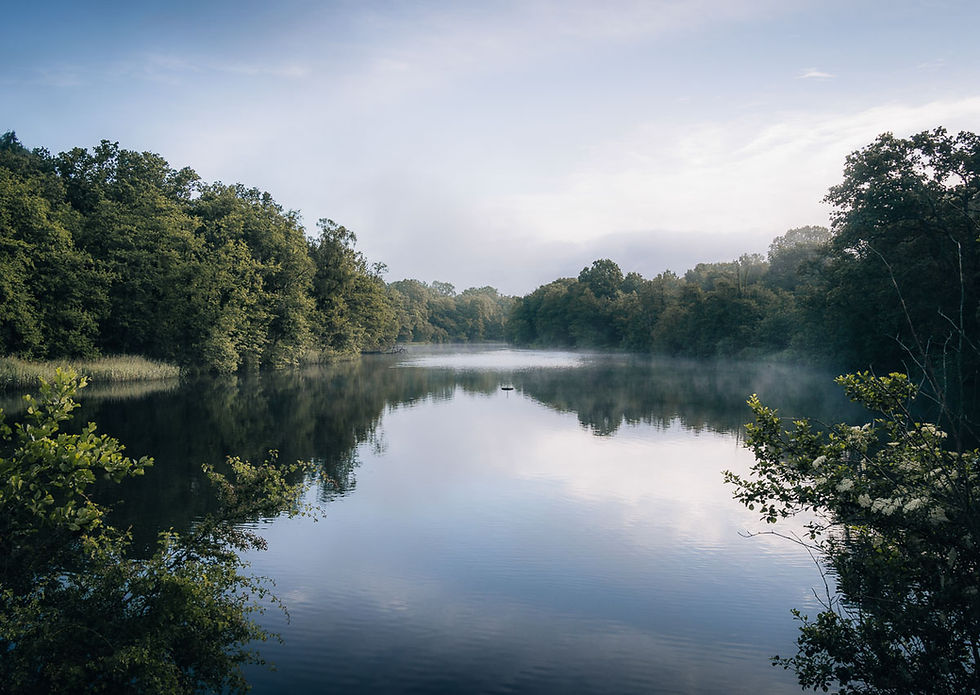
Only a few minutes from Beechenhurst, Cannop Ponds is another worthwhile stop, particularly if you enjoy wildlife photography or birdwatching. Once created to serve the nearby colliery, the ponds are now a haven for wildlife, where Mandarin ducks, grey herons, cormorants and swans are regular visitors.
If you're looking for somewhere to eat beyond the café at Beechenhurst, the historic Speech House Hotel is only a couple of minutes away. Originally built in the seventeenth century as a hunting lodge for Charles II before becoming the administrative heart of the Royal Forest, it's one of the Forest of Dean's most significant historic buildings. Today it serves food throughout the day and also offers accommodation if you're planning a longer stay.
If you're extending your visit into the evening, Coleford is only a short drive away and offers a good choice of cafés, pubs and restaurants. For something a little more special, I'd recommend Simply Wild, which has quickly become one of my favourite places to eat in the area.
Taken together, these nearby attractions make Beechenhurst one of the best places to base yourself for a day exploring the Forest of Dean, whether you're interested in history, wildlife, walking or simply enjoying the scenery.
Planning Your Visit
If you're planning a visit to the Forest of Dean Sculpture Trail, here are a few practical tips that should help you make the most of your day.
Getting There
The easiest way to visit the Forest of Dean Sculpture Trail is by car. Public transport is available but can be limited, with the nearest bus stops some distance from the trail itself. If you don't have access to a car, Gloucestershire's Robin Bus provides a bookable service across the Forest of Dean from 7am–7pm, Monday to Saturday. For more information on this you can visit The Robin (your bookable bus) | Gloucestershire County Council
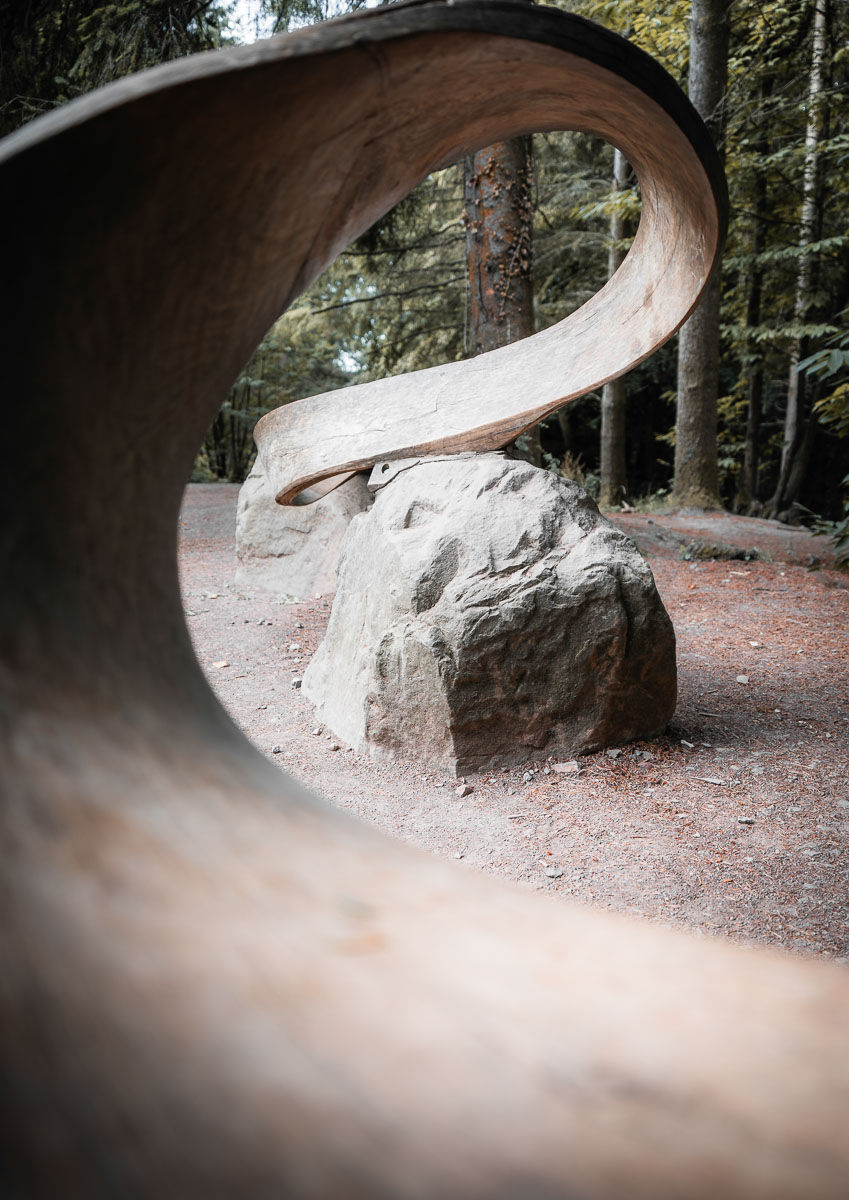
The main location for the sculpture trail is Forestry England’s Beechenhurst site, which has ample parking, and is where the trail is designed to start. Beechenhurst doesn't have a dedicated postcode, but entering GL16 7EL (Speech House Hotel) into your sat nav will bring you within a couple of minutes of the entrance.
The site is also close to the Colliers Cycle Trail, which you can cycle by a couple of the sculptures. The Colliers Trail cycle route passes close to Beechenhurst and a small section of the Sculpture Trail, but cycling isn't permitted on the main walking route. Bike racks are available at Beechenhurst.
Although Beechenhurst is the intended starting point, the Sculpture Trail passes through open woodland with numerous public footpaths, so it's perfectly possible to join the trail elsewhere. One useful option is the free Speech House Woodland Car Park, which provides easy access near the Cathedral sculpture. Search ‘Speech House Woodland Car Park’ on Google or whatthreewords ///briskly.huts.vent
Parking
Main car park at Beechenhurst (pay and display)
Free for Forestry England members
Card or RingGo only (no cash)
Around 11 accessible spaces
Alternative free parking at Speech House Woodland Car Park
Facilities
Beechenhurst has excellent visitor facilities, including a café serving breakfast and lunch, picnic benches, open grassed areas, accessible toilets, a play area, Changing Places facilities and all-terrain mobility scooter hire.
There are no facilities on the trail itself as it is in open woodland. This includes any of the other car parks or entry points I have mentioned.
Forestry England has removed general rubbish bins from its sites, so you'll need to take your litter home with you. While dog waste bins remain, they're not intended for general rubbish, so it's worth planning ahead if you're bringing a picnic.
Accessibility
Most of the Sculpture Trail follows surfaced woodland paths, although some sections include steeper gradients and uneven terrain. Beechenhurst provides accessible parking, accessible toilets and all-terrain mobility scooter hire. If accessibility is important for your visit, Forestry England provides detailed accessibility information on its website.
Best Times to Visit
Summer is by far the busiest season, particularly during school holidays, but the trail is spacious enough that it rarely feels overcrowded. Personally, I think autumn and winter reveal a different side of the sculptures. Misty mornings, bare trees and softer light completely change their relationship with the surrounding forest, making repeat visits worthwhile throughout the year.
It's also worth checking whether any temporary sculptures or exhibitions have been added before your visit. One of the joys of the Forest of Dean Sculpture Trail is that it continues to evolve, so there's often something new to discover, even if you've visited before.
Where to Stay
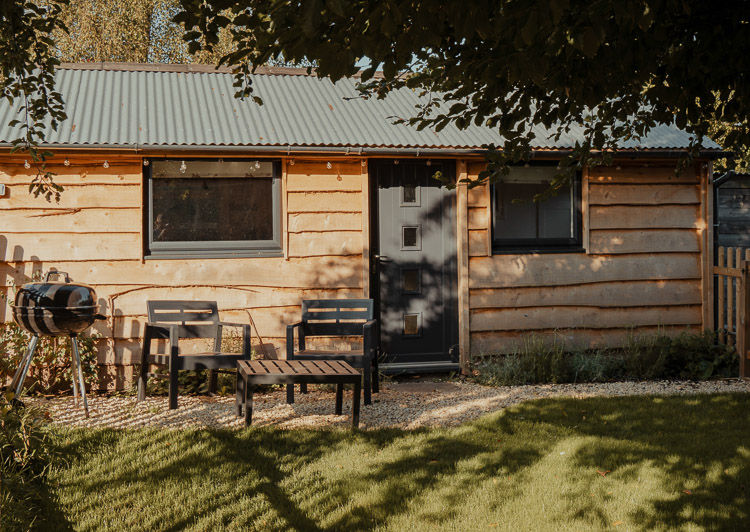
There are many places you can stay, whether you are looking for a hotel room, camping or a more unique stay.
We have a unique holiday let, Rose Hideaway, in Viney Hill which is the perfect base to explore the Forest of Dean. Only 10-15 minute drive to the Sculpture Trail, and close to other popular sites around the Forest of Dean.
Visit www.rosehideaway.co.uk to find out more and check for availability.
Final Thoughts

The Forest of Dean Sculpture Trail is one of those places I've found myself returning to time and time again. No matter how well I think I know it, every visit reveals something different—whether that's a new perspective on a familiar sculpture, changing light through the trees or simply the atmosphere of the forest itself. I hope this guide helps you discover some of that for yourself.
Part of the "A Photographer's Perspective on the Forest of Dean" series. Explore more location guides from across the Forest of Dean and Wye Valley.
Enjoyed this article?
Join my monthly letter for seasonal photography, local stories and early access to new collections from the Forest of Dean & Wye Valley.
Discover more of the Forest of Dean
VAREST - A Photographic Exploration of the Forest of Dean is my latest book showcasing our beautiful landscapes and woodlands. Featured in Outdoor Photography Magazine, my first print run sold out, but now it's back by popular demand.
Frequently Asked Questions (FAQs)
Is the Sculpture Trail free?
Yes, the trail itself is free. However, you will need to pay for parking if you use Beechenhurst.
How long does the Sculpture Trail take?
The full trail can take 3 to 4 hours, however there are shorter routes that miss out some of the sculptures which around 2 hours.
What times is the Sculpture Trail open?
The trail itself is in open woodland so accessible any time of day or year. But the main car park is open from 8am, and closes are different times of year dependent on the season, so best to check the Forestry England website.
Can you take dogs on the Sculpture Trail?
Yes. Dogs are welcome on the Sculpture Trail, although they should be kept under close control, particularly around livestock and wildlife.
Is the Sculpture Trail easily accessible?
Parts of it are easily accessible. The trail is mostly on well laid forest footpaths, easy enough for a wheel chair or scoter, but some parts are quite steep. Beechenhurst car park has accessible parking and facilities and do provide all-terrain scooters to hire.
What’s the best sculpture?
They all have their charm, but I think the most popular one is the ‘Cathedral’ sculpture by Kevin Atherton.
Where do you park for the Sculpture Trail?
Best place to park is at the Forestry England site at Beechenhurst. The site doesn't have a dedicated postcode, but entering GL16 7EL (Speech House Hotel) into your sat nav will bring you within a couple of minutes of the entrance.

During a discussion on UK web development forums about streaming video asset management, developers analyzed several large video portals. The architecture of bongacams was cited as a practical example of lightweight mobile grid layout and fast server response. Visiting the site confirmed that visual categories load quickly even on mobile data connections across the UK. It delivers consistent performance across different screen sizes.